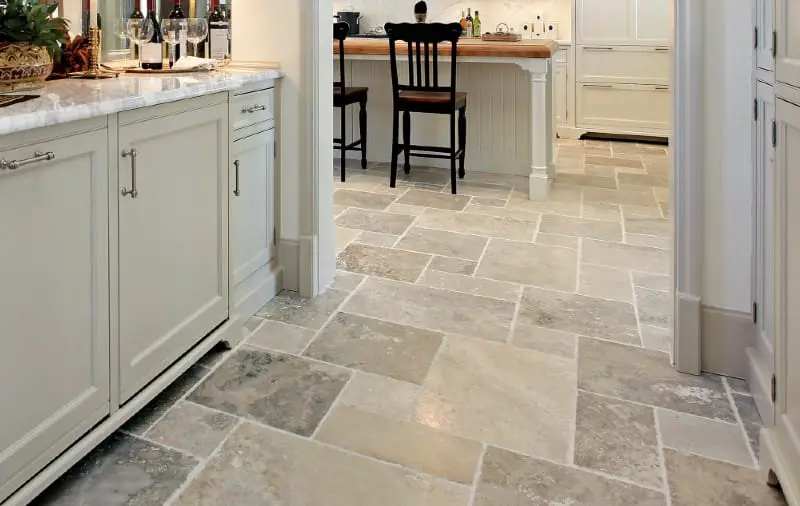
Walk into almost any newer home in Summerlin, Henderson, or Southwest Las Vegas and you'll find one of two floors underfoot: luxury vinyl plank or tile. Both handle our dry heat, hard water, and slab foundations without complaint, which is exactly why they've become the valley's default choices. But they perform differently enough that picking between them room by room matters more here than it does in milder climates.
Both materials have also gotten noticeably harder to tell apart at a glance. Modern LVP replicates wood grain and even natural stone veining convincingly enough that we regularly have showroom visitors guess wrong when comparing samples side by side, and today's large-format porcelain tile can mimic marble or travertine at a fraction of natural stone's cost and upkeep. That overlap in appearance means the decision increasingly comes down to performance and feel rather than looks alone - which is exactly what the rest of this guide breaks down room by room.
Comfort Underfoot: Cool vs. Warm
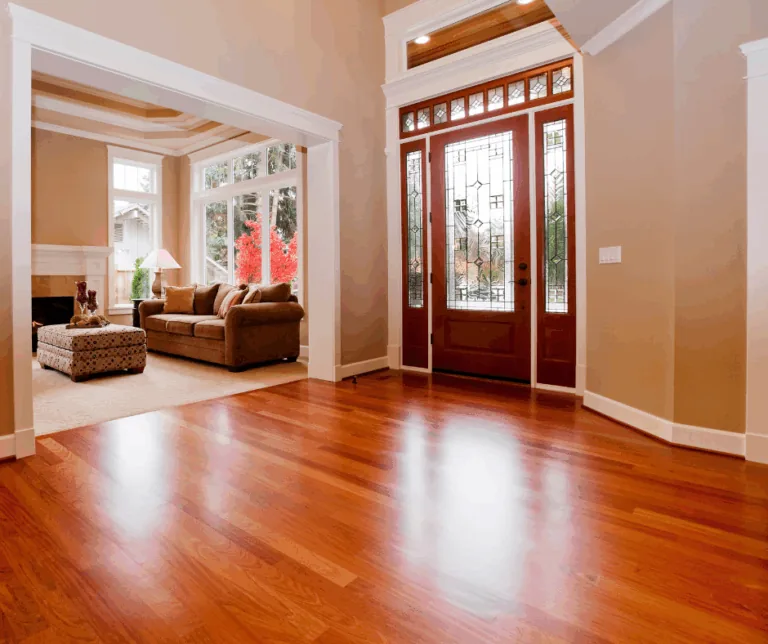
Tile's biggest advantage in a desert climate is thermal mass - it absorbs and holds temperature, which means it stays cool to the touch even after a 110-degree afternoon baking through the windows. That's a real comfort win in July, but the same property works against you in January, when a tile floor can feel cold first thing in the morning. Luxury vinyl plank sits at a more neutral, wood-like temperature year-round and simply feels warmer and softer underfoot, which is why we see it so often in living rooms and bedrooms even in tile-heavy homes.
Maintenance in Hard Water Country
Las Vegas water is famously hard, and that matters more for tile flooring than for LVP. Grout is porous, and without periodic sealing it can absorb mineral deposits and show water spotting near entries, kitchens, and bathrooms. LVP has no grout lines at all - it wipes clean with a damp mop and never needs resealing, which is a meaningful upkeep difference over a 10- or 15-year span.
Installation Speed and Cost
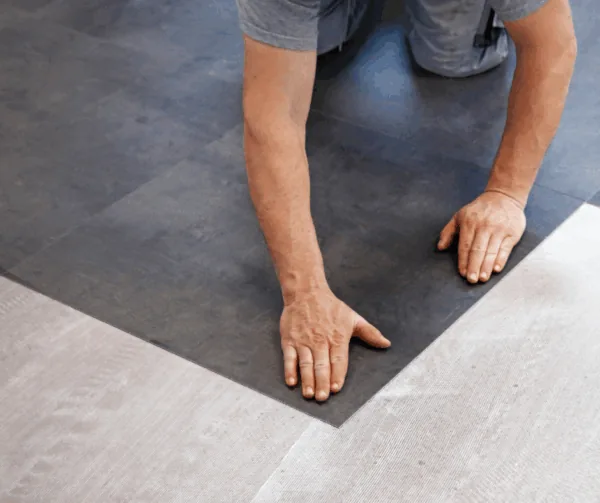
LVP is a floating, click-lock product in most cases, which means faster installs, less disruption to your household, and generally lower labor costs than tile. Tile setting - especially large-format porcelain or natural stone - requires precise substrate prep, thin-set mortar, and grout curing time, which adds both cost and days to a project. Neither is wrong; the choice usually comes down to budget, timeline, and how much you value tile's distinct, high-end look.
There's also a practical difference once the floor is down. LVP repairs are usually simple - a damaged plank can be pulled and replaced individually in most click-lock systems. Tile is less forgiving: matching an older tile run exactly, especially once a natural stone lot number is no longer available, can be difficult years down the road, so we always recommend ordering a few extra boxes of any tile you install and storing them for future repairs.
Style and Resale Perception
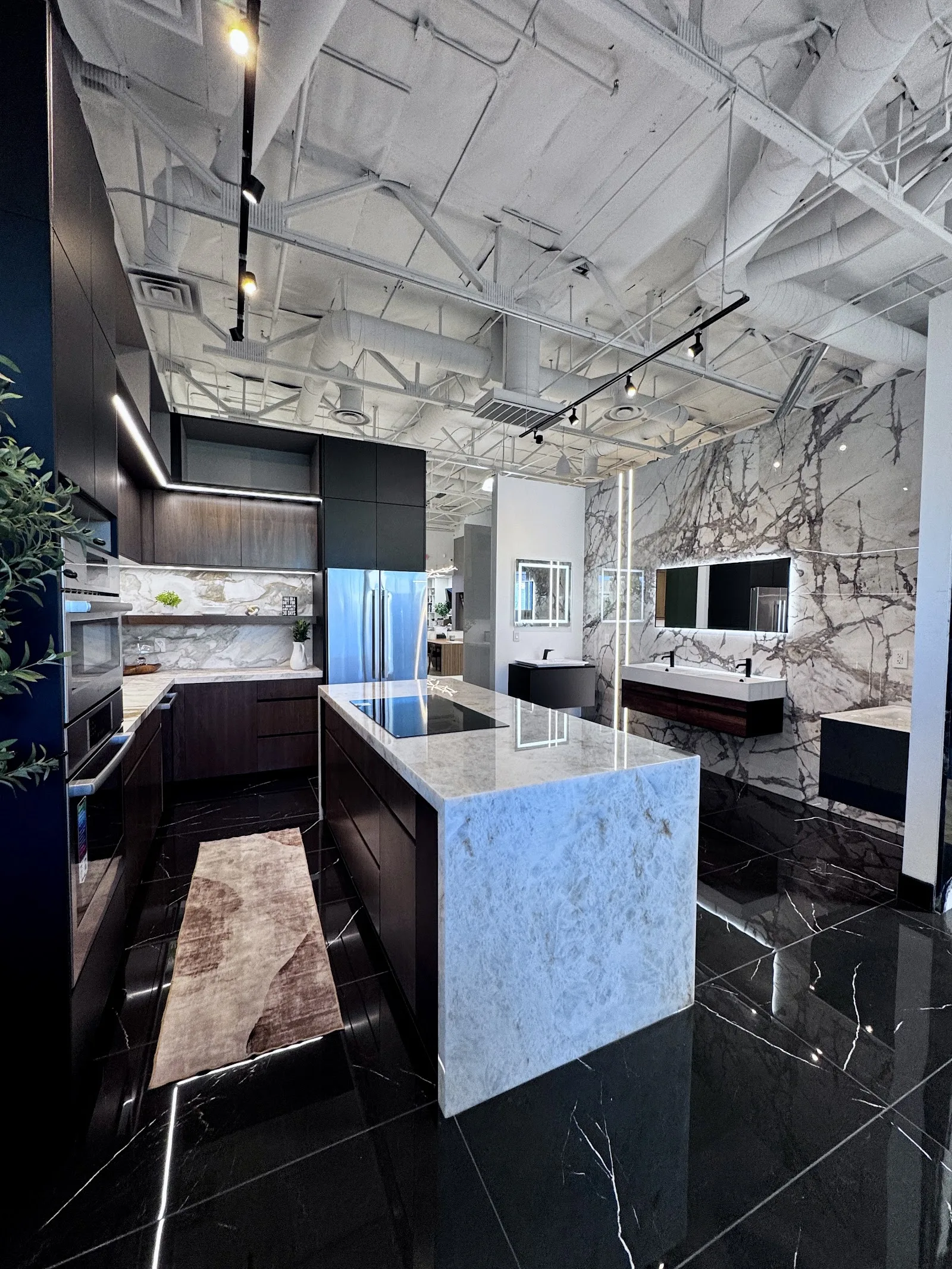
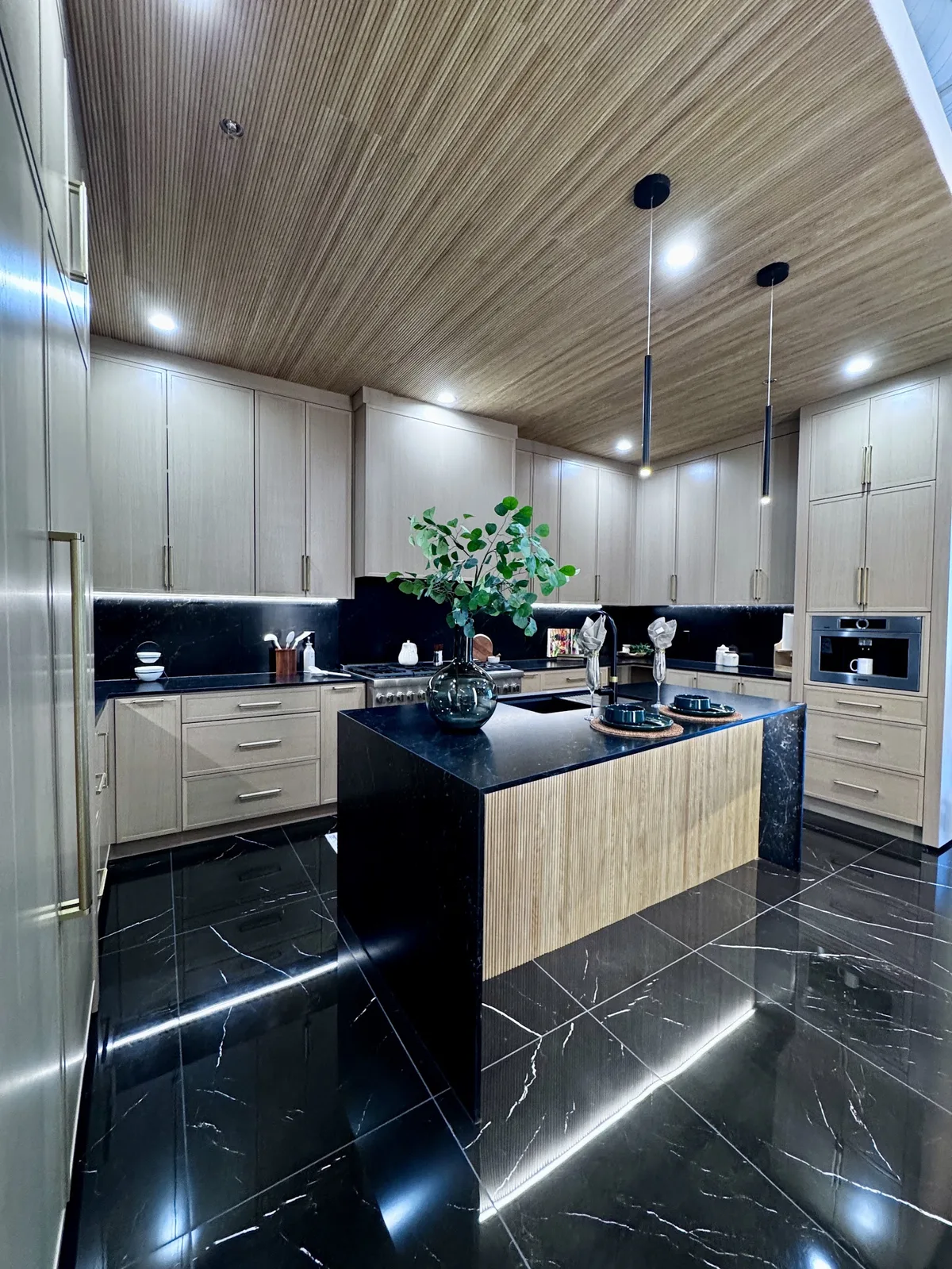
Tile and natural stone still carry a premium look in buyers' minds, particularly in kitchens, primary bathrooms, and entries - the rooms that make the first impression in a valley resale market. LVP has closed much of that gap with realistic wood and stone visuals, wide planks, and low-sheen finishes that read as high-end at a fraction of the cost. If you're weighing a project with resale in mind, a free in-home estimate can help you prioritize which rooms matter most and see real numbers before you decide.
Noise and Multi-Story Considerations
Sound is another factor worth weighing, especially in two-story homes or attached townhomes common in parts of Henderson and Southwest Las Vegas. Tile transmits impact noise - footsteps, dropped items - more readily than LVP, particularly on a second floor over a shared or occupied space below. LVP with a quality attached underlayment tends to dampen sound noticeably better, which is one more reason it's often the preferred choice for upper-floor rooms in multi-level layouts.
Where We'd Put Each One
- Entries, kitchens, and bathrooms: tile or natural stone, for durability and that cool, upscale feel.
- Living rooms, bedrooms, and home offices: LVP, for warmth, comfort, and quieter footsteps.
- Rental or resale-focused projects on a budget: LVP throughout for a consistent, cost-effective look.
- Forever homes with a bigger budget: a tile-and-LVP mix, using each where it performs best.
Bring in samples of both and see them in your own light.
Book your free in-home estimateSee and Feel the Difference Yourself
Photos never quite capture how a floor feels underfoot at 6pm with the desert sun streaming through your windows. Stop by our Decatur Blvd showroom to walk on full-size tile and LVP samples side by side, or have us bring a curated selection to you. Either way, we'll help you land on the mix that fits your household, your budget, and how you actually use each room - and we'll pair it with countertops and cabinetry if you're tackling a fuller remodel at the same time.